
The right light at the right time.
Light is more than lux. Our AI makes a standard sensor measure like a reference instrument — and turns the data into light that works for people and nature.
Light infrastructure through a spectrum
Mapping light's full potential with Ocutune
01
Light is more than lux.
We measure what your body clock sees — not just what your eyes see.
02
A standard sensor. A lab-grade result.
Our patent-pending AI makes everyday sensor hardware measure like a reference spectrometer.
03
The right light at the right time.
Bright and daylight-like by day. Warm and low at night. Automatically.
04
Measured on people, not on ceilings.
Light is logged where it matters: at the eye, minute by minute.
05
Good for people. Good for insects.
Street light that keeps roads safe and leaves nature its night.
06
One platform, three languages.
Simple for everyone, open for researchers, ready for engineers.
The neglected pollutant
Light is a pollutant. In 2023 the UK House of Lords called on government to measure and manage it like the others.
Air quality has sensors on every street corner. Light — which sets our body clocks and shapes entire ecosystems — is still barely measured. Ocutune builds the instruments, the data and the controls to change that.
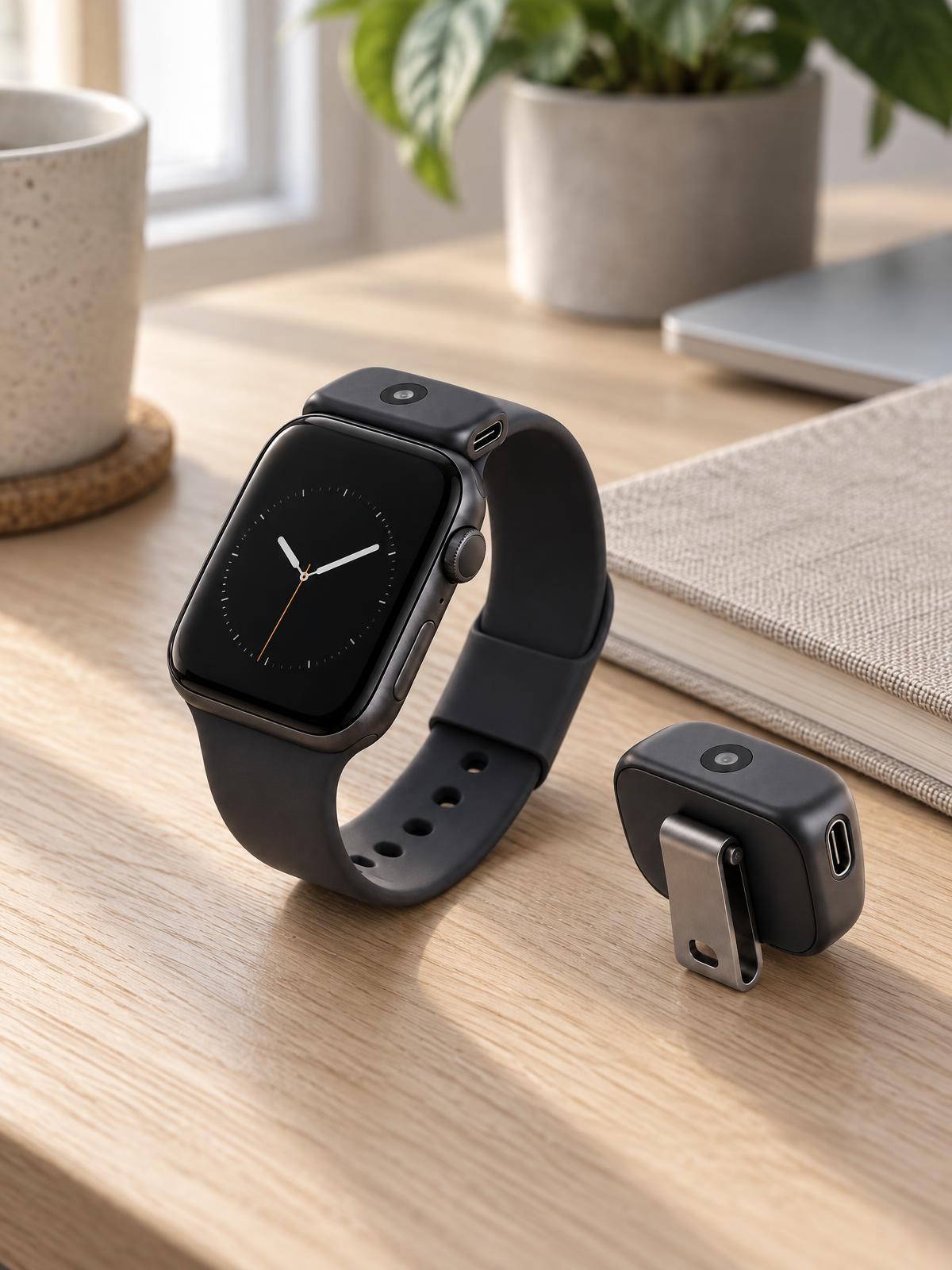
CIE S 026 compatible, research-grade light dosimetry tracker
OcuWEAR
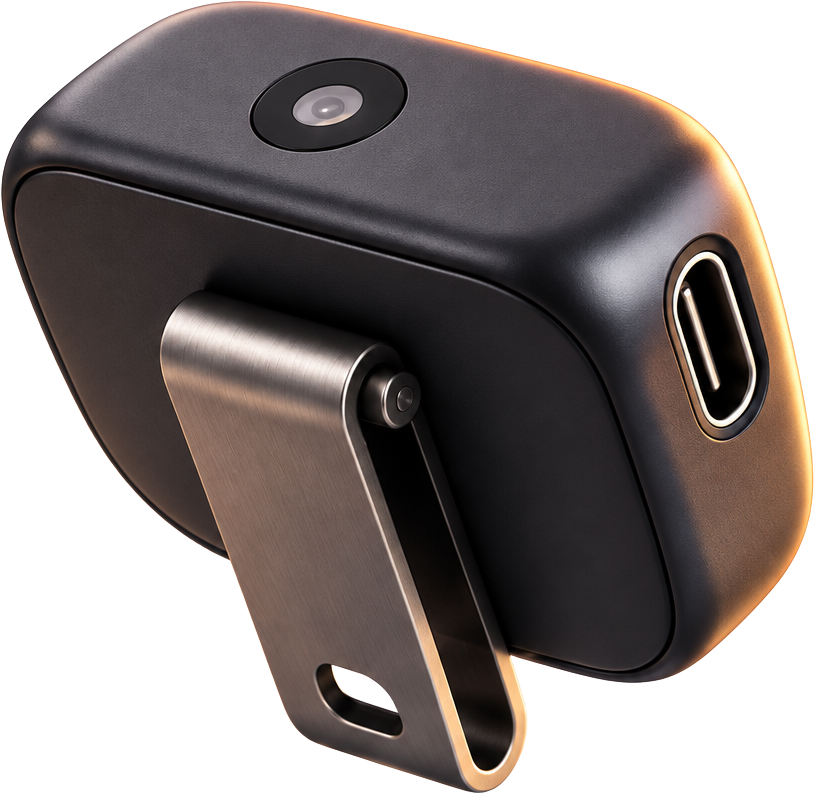
On the watch strap or clipped on — it follows a person's light, minute by minute.
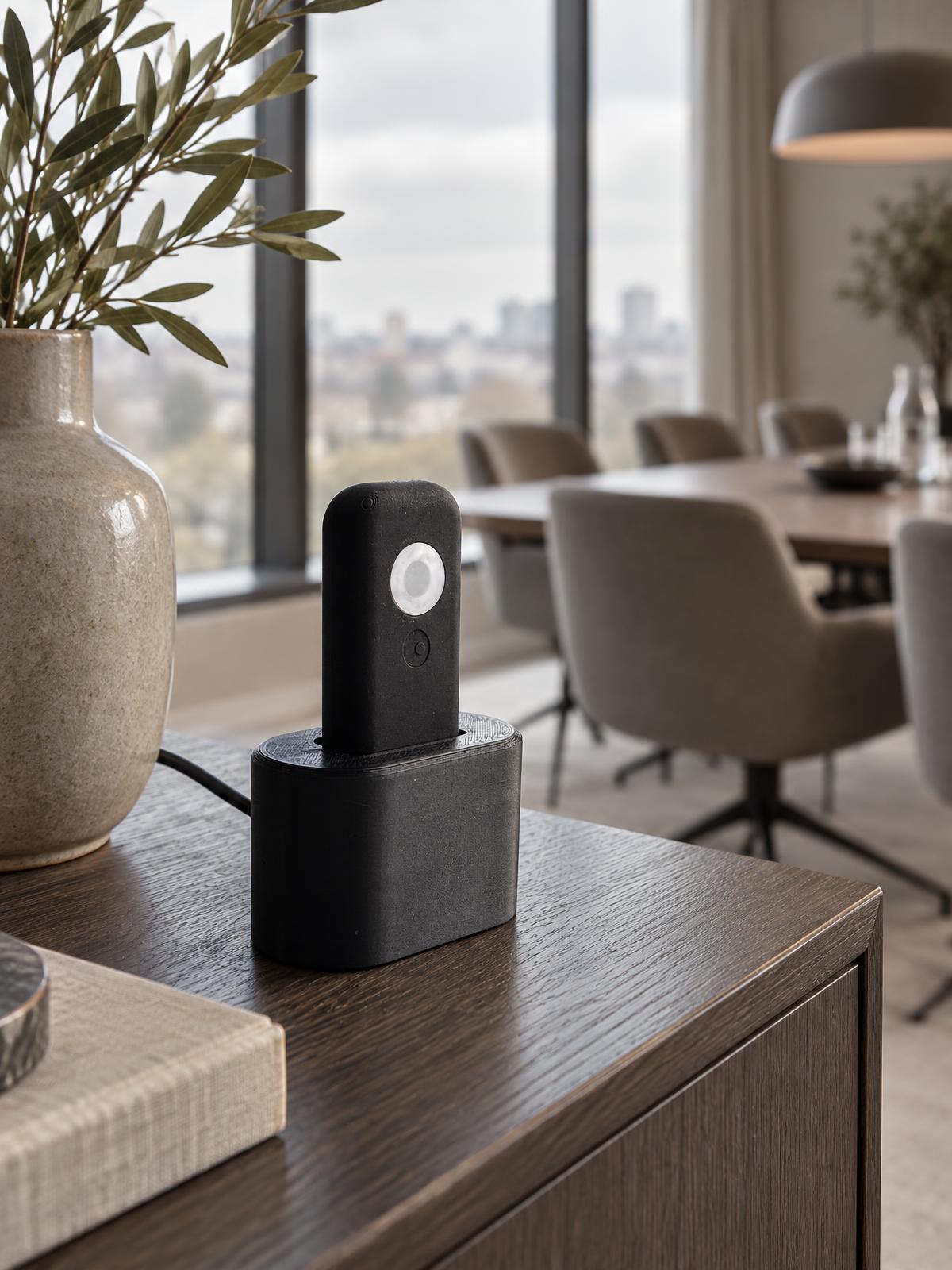
Integrative light measurement for better offices and well-being
OcuROOM
Wall sensor for live light analytics, room by room.

Measurement, reports and lighting control for whole buildings
Platform
One control centre — from one sensor to ten thousand.
380–780nm
Full spectral reconstruction
2–5%
Accuracy vs. reference spectrometers
1 – 140klux
Dynamic range, moonlight to sun
S 026CIE
α-opic metrics, 2018 standard
Why it matters
The wrong light, at the wrong time, in the wrong place.
Modern lighting has blurred the signals of day and night. The cost shows up in our sleep, our productivity and in nature.
90%
of our time is spent under artificial light — indoors.
WHO / EU
1 in 4
adults in the West sleep less than recommended for their age.
Nature, 2021
+50%
growth in outdoor light pollution since 2000.
Sánchez de Miguel et al., 2021
−62%
pollinator visits in areas lit by artificial light at night.
Knop et al., 2017
Light is more than lux
Your eyes see brightness. Your body sees time.
Lux was invented to measure how well we can see. But special cells in the eye — ipRGCs with the photoreceptor melanopsin — read the light to set your body clock, your alertness and your sleep. To get light right, you have to measure what they see.
- How bright light looks to the eye.
- How strongly it says “day” to your body clock (mEDI), its full spectrum, colour, timing and your personal light history — per CIE S 026.
The phone at bedtime
Everyone knows blue light from a screen at night is bad for sleep. That's just the start: the ceiling lamp, the TV and the bathroom light do the same — and nobody measures them.
The grey office
500 lux at the desk sounds fine. A sunny day outside is 100,000 lux. Most of us spend 90% of our time indoors and never get a real daylight signal.
Two lamps, same lux
A cold white and a warm amber lamp can show the same lux — yet one keeps you awake and the other lets you wind down. Lux can't tell the difference. We can.
The right light at the right time
Complex behind the scenes. Simple in front.
Getting light right takes physics, physiology and data science. That's our job. Yours is just to see what's happening, understand it at a glance — and get the right light, at the right time.
What we do in the background
- 01
Spectral reconstruction
380–780 nm from a standard multichannel sensor
- 02
Calibration models
Device-by-device correction against reference spectrometers
- 03
CIE S 026 α-opic metrics
mEDI, mDER and five photoreceptor responses
- 04
Circadian modelling
Light dose, timing and history per person and room
- 05
Machine learning
Trained on anonymised data across every installation
What you see in front
Good morning light
You've had 42 min of daylight. Great start.
Room 3.12 · focus mode
Lights boosted for the 14:00 meeting.
Evening
Warming the lights — sleep starts now.
On browser, tablet, phone and watch. No lux, no spectra — unless you want them.
One platform, three languages
The same light. Explained for you.
Wear it. Your home does the rest.
OcuWEAR clips onto your shirt and learns your light day. Connected to your lights, it gives you the right amount and type of light — without you thinking about it.
- Morning: lights boost so your body clock gets its “day” signal
- Office: a nudge when you've had too little daylight — take the walk outside
- Evening: lights warm up and dim; screens are just one part of the story
- Outside: street lights that keep you safe and let insects and birds keep their night
Why trust us
We teach the field. Then we build for it.
Few teams in the world know more about how light affects people and nature. What makes us different is that we turn that knowledge into products people actually use.


We know the science
We teach integrative lighting to PhD students at leading universities, including DTU and Stanford, and run field studies with Oxford. Our measurements follow CIE S 026.
We understand your needs
A facility manager wants fewer complaints. A coach wants rested athletes. A city wants safe roads and dark nature. We start there.
We make it usable
We turn research into sensors, software and lighting control that work out of the box — under our brand or yours.
How it works
Standard sensor. Reference-grade results.
The insight that took us years: precision doesn't have to live in the hardware. It can live in the models — trained on 2,600 daylight spectra over two years and 1,492 LED spectra measured at DTU.
01Sense
Standard multichannel sensors capture light where people live, work and move — at the eye, on the wall, in the lamp.
02Calibrate
Our patent-pending machine-learning models reconstruct the full spectrum — measuring like a reference spectrometer.
03Understand
The cloud turns raw readings into α-opic metrics, circadian insight and recommendations, room by room.
04Control
Lights adjust automatically — brighter and bluer by day, warm and low at night, dark where nature needs it.
Reconstructed SPD
Daylight spectra
2,600
LED spectra (DTU)
1,492
vs. reference
~2–5%
One engine, three ways in
From a single wearer to an entire city.
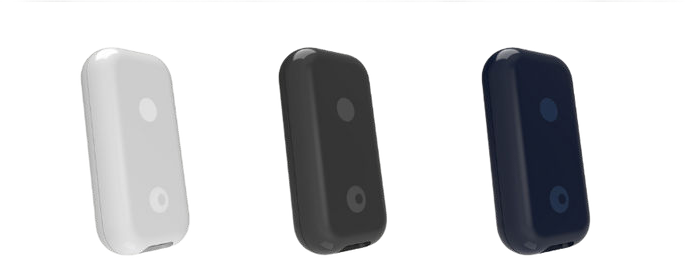
Wearable light logger
OcuWEAR
A 14 g clip-on dosimeter that tracks a person's spectral light history, minute by minute.
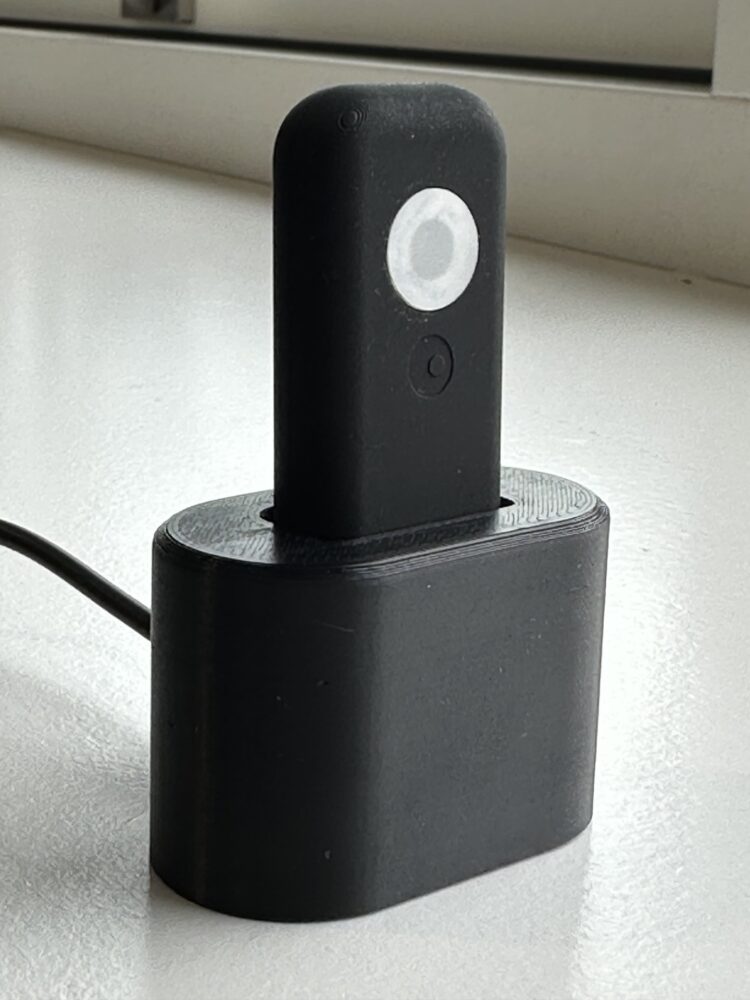
Wall & room sensor
OcuROOM
Live light analytics for offices and buildings — supporting WELL circadian-lighting credits.
OEM licence
Ocutune Inside
Our sensing engine built into your luminaire, wearable or wall device — under your brand.
Personal
Your own light — on your wrist.
On the watch strap or clipped on, the sensor follows your day — and the watch nudges you to get outside, dim the lights or put the screen away.
 Clip it on
The Ocutune platform
One control centre. Every screen.
Browser, tablet, phone and watch. Facility managers steer whole buildings; occupants see their own light and tell the system how they feel.
Melanopic EDI
312lx
Illuminance
540lux
CCT
4 850K

Benchmark · Nordic offices
Desks by the window reach the recommended 250 lx mEDI 3× more often than desks in the core.
Illustrative insight
Light intelligence
Every sensor makes every building smarter.
Each customer sees and owns its own data. Anonymised and aggregated across all installations, it becomes the world's richest map of real-world light — training models that advise on offices, hospitals, schools and road lighting.
- Benchmarks across buildings & cities
- AI recommendations per room
- Dark-sky & biodiversity reporting
- Strict tenant isolation, GDPR by design
“A state-of-the-art and cost-effective integrative lighting, spectrally resolved wearable sensor, supported by artificial intelligence.”
Trusted customers and partners
and what they say about us








Let's measure what matters.
Whether you build luminaires, run buildings or research light — we'd like to hear what you're working on.